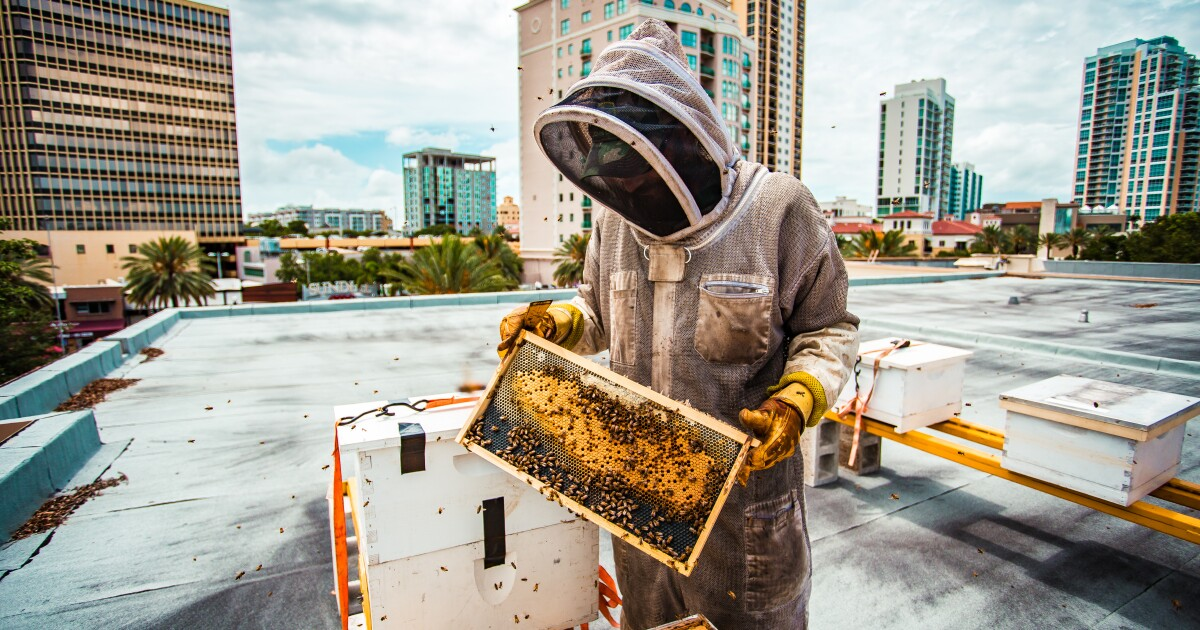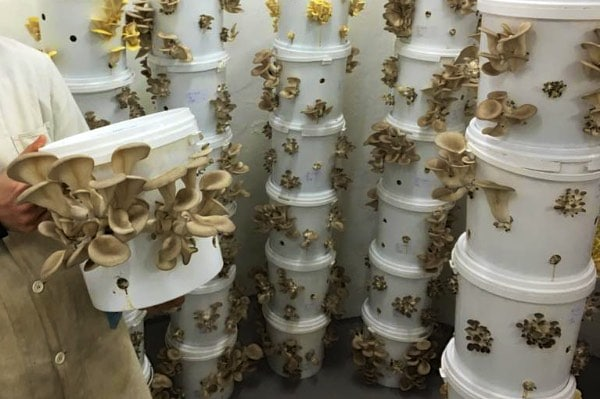
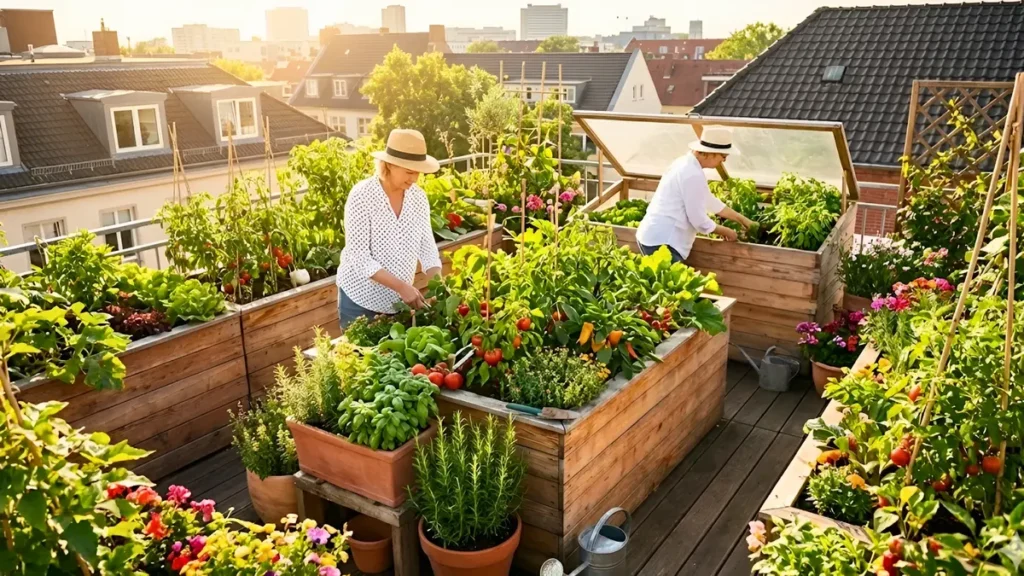
In 2025, more people around the world are rediscovering the simple joy and deep benefits of urban gardening — turning patios, balconies, and small backyard plots into thriving green spaces. Unlike high-maintenance hobbies, urban gardening is accessible: you don’t need much land, and many plants grow well in pots or raised beds. Experts note that gardening isn’t just a pastime — it’s a powerful form of nature-based activity that helps reconnect people with the environment while adding freshness to daily life.
Beyond aesthetics, urban gardening offers real health and mental-wellbeing advantages. Research published in 2025 shows gardening can significantly improve mental health: reducing stress and anxiety, boosting mood, enhancing mindfulness, and helping people feel more grounded. On the physical side, gardening tasks like digging, planting, weeding, or watering count as moderate exercise — supporting cardiovascular health, strength, and mobility without the need for a gym.
Finally, urban gardening fosters social connection and a sense of purpose. Participating in community garden plots or neighborhood plant-sharing groups can help build bonds with others, reduce feelings of isolation, and create shared responsibility and teamwork. For many, watching a plant grow from seed to bloom (or produce vegetables) provides satisfaction and a tangible sense of accomplishment — a simple yet meaningful reward in a fast-paced world.