
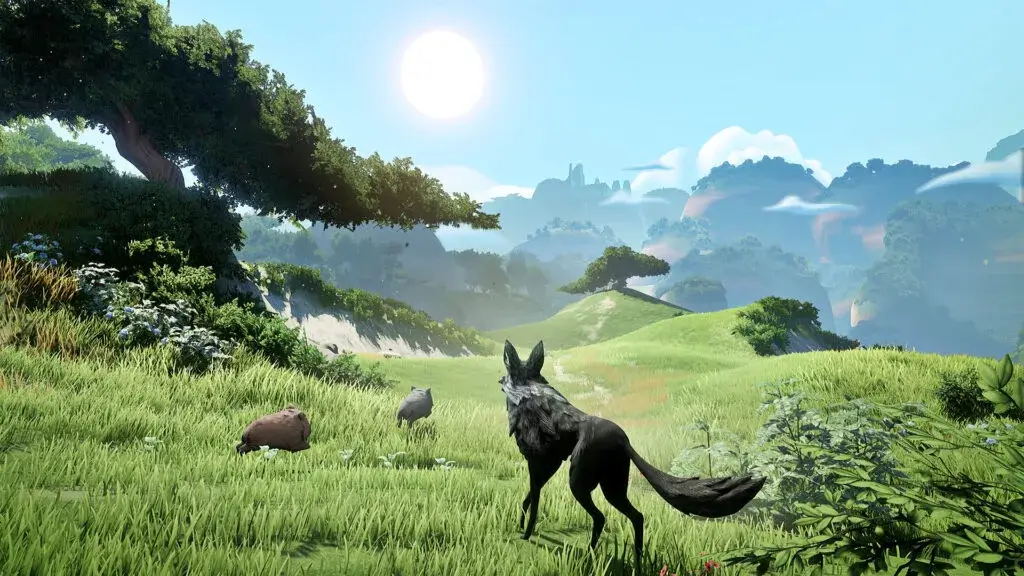
bizvantagehub.com – Environment design is a crucial discipline in visual storytelling, responsible for creating the physical (or digital) worlds that characters inhabit. It goes beyond mere backgrounds—environments set the mood, convey narrative, guide player behavior, and immerse audiences in a believable universe. From the lush jungles of Avatar to the dystopian streets of Cyberpunk 2077, effective environment design makes fictional worlds feel alive and tangible. In 2025, with advancements in real-time rendering (Unreal Engine 5), AI-assisted asset creation, and VR/AR experiences, environment designers are pushing boundaries like never before, blending artistry with cutting-edge technology.
What Is Environment Design?
Environment design (often called “level design” in games or “production design” in film) involves conceptualizing, modeling, texturing, lighting, and populating spaces. Key goals:
- Narrative Support: Environments tell stories subtly—ruined temples hint at lost civilizations, neon-lit alleys suggest danger.
- Atmosphere and Mood: Color palettes, weather, and lighting evoke emotions (e.g., foggy horror vs. sunny adventure).
- Functionality: In interactive media, spaces must be navigable, with clear paths and readable layouts.
- World-Building: Consistent architecture, flora, and props create believability.
Professionals use tools like Maya, Blender, Substance Painter, and game engines (Unity, Unreal) to bring visions to life.
The Process of Environment Design
A typical workflow:
- Concept Phase: Mood boards, sketches, and reference gathering (real-world photos, historical research).
- Blockout: Rough 3D layout to test scale and flow.
- Asset Creation: Modeling props, texturing with PBR materials, and foliage systems.
- Lighting and Post-Processing: Dynamic day-night cycles, volumetric fog, or global illumination.
- Iteration and Polish: Playtesting (games) or director feedback (film) for refinement.
In 2025, AI tools like Midjourney for concepts or NVIDIA’s DLSS for real-time enhancements accelerate the process.
Environment Design in Different Media
- Video Games: Highly interactive—think The Legend of Zelda: Tears of the Kingdom‘s vast Hyrule or Elden Ring‘s haunting Lands Between. Designers balance beauty with gameplay (e.g., verticality in Deathloop).
- Film and TV: Static but cinematic—James Cameron’s Pandora in Avatar or the gritty Coruscant in Star Wars.
- Theme Parks and VR: Physical or virtual immersion, like Disney’s Galaxy’s Edge or VR experiences in Half-Life: Alyx.
- Architecture and Urban Planning: Real-world applications, using similar principles for public spaces.
Famous Environment Designers and Works
- Shigeru Miyamoto (Nintendo): Master of whimsical, playable worlds in Mario and Zelda.
- Feng Zhu (FZD School): Influenced Star Wars and game concepts.
- Roger Dean: Iconic prog rock album covers that inspired game worlds.
- Naughty Dog Artists (The Last of Us): Post-apocalyptic overgrowth mastery.
Trends in Environment Design for 2025
- Procedural Generation: AI creates vast, unique worlds (e.g., No Man’s Sky evolution).
- Sustainability Focus: Eco-themed designs reflecting climate awareness.
- Photogrammetry and Nanite: Hyper-real assets from real-world scans (Unreal Engine 5).
- Inclusive Design: Accessible paths and representation in virtual spaces.
Environment design is the unsung hero of immersive media—turning blank canvases into living, breathing worlds. Whether for escapism, exploration, or emotion, great environments make stories unforgettable. As technology advances in 2025, the line between real and virtual worlds blurs further, promising even more breathtaking creations. For aspiring designers: Start with Blender, study references, and build your own worlds—the possibilities are endless!