Why Hobby Horsing Is Galloping into Global Culture: A Deep Dive into the Stick-Horse Trend

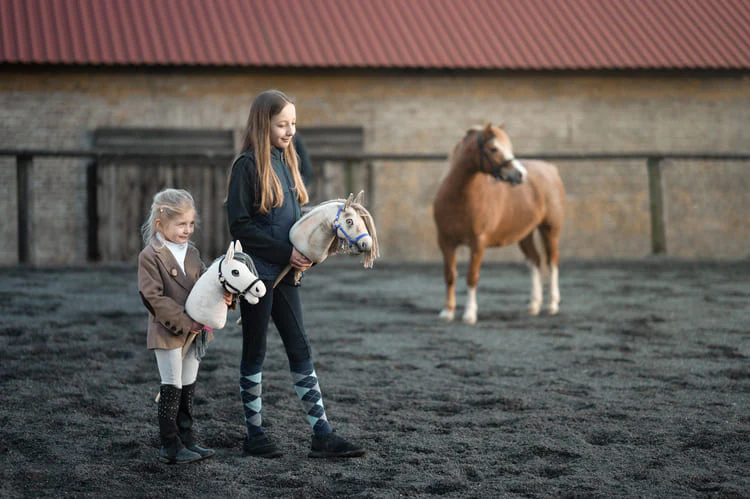
In recent years, hobby horsing—the practice of performing equestrian routines using a stick horse—has transcended its niche Finnish roots to become an international subculture. What began as playful mimicry of show jumping and dressage has morphed into structured competitions, social media challenges, and communities that celebrate creativity and athleticism. While at first glance it might…

Read More

The Role of Vulnerability in Strengthening Relationship, Why Opening Up Matters

Vulnerability is often misunderstood as weakness, but in healthy relationships, it acts as a bridge toward deeper connection. Sharing fears, uncertainties, or past wounds allows partners to see each other more fully—building empathy, trust, and emotional safety. Research in relational psychology underscores that couples who allow themselves to be seen, rather than presenting only their…

Read More

Drone Photography, The Skyward Hobby That’s Redefining Visual Storytelling

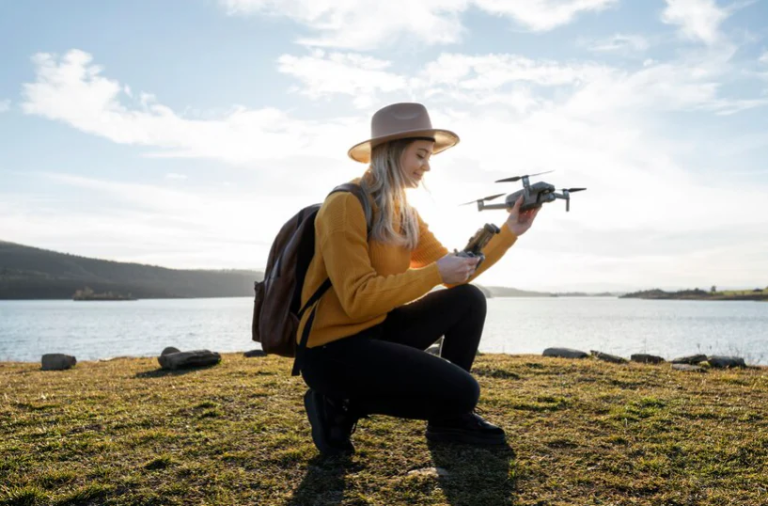
Drone photography has rapidly evolved from a niche pastime into one of the most exciting visual hobbies of 2025. Thanks to advances in sensor technology, AI flight control systems, and intuitive software, hobbyists can now capture ultra-high resolution aerial images once only possible with helicopters or expensive equipment. Whether you’re flying over rugged landscapes, urban…

Read More

What Science Really Says About Intermittent Fasting: Health Benefits & Risks

Intermittent fasting (IF) has become a major trend in the healthy-living space, touted as a simple way to lose weight and boost wellness. But what does the scientific evidence say? According to an umbrella review of randomized controlled trials, intermittent fasting shows credible benefits in weight control, insulin sensitivity, and cardiometabolic health. For example, alternate-day…

Read More

How Reading Micro-Expressions Boosts Your Self-Confidence in Social & Professional Settings

Confidence often feels like an internal spark, but many external cues silently shape how we (and others) perceive ourselves. One of those subtle cues is micro-expressions: involuntary, very brief facial expressions that reveal emotions before we consciously mask them. Research by psychologists like Paul Ekman shows micro-expressions are universal—mapped to emotions such as surprise, fear,…

Read More

Psychological Safety & Empathy: Twin Pillars of Modern Leadership

In today’s fast-evolving workplaces, leadership isn’t just about strategy, vision, or driving profits—it’s increasingly anchored in how leaders foster a safe, caring environment. Psychological safety, the belief among team members that they can speak up, make mistakes, or challenge norms without fear of punishment or shame, has become foundational to high-performance cultures. Studies (including leader…

Read More

The Science of Allostatic Load: Why Chronic Stress Ages You Before Your Time

When stress becomes a constant companion, our body’s finely tuned adaptive systems begin to fray. What starts as a helpful reaction to immediate challenges (fight-or-flight) turns into a wear-and-tear effect that scientists call allostatic load. This involves overactivation of the HPA (hypothalamic-pituitary-adrenal) axis, chronically elevated cortisol, inflammatory responses, and impaired recovery from stressors. Research shows…

Read More

Body-Doubling: How Working Alongside Others Boosts Focus & Output

Body-doubling is a lesser-known productivity strategy gaining traction especially among people with ADHD, but its benefits extend to virtually anyone who struggles with focus or procrastination. Essentially, body-doubling means working alongside someone else—either in person or virtually—while each person pursues their own tasks. The idea isn’t collaboration or multitasking together; rather, the mere presence of…

Read More

How Nature Therapy Enhances Mental Health and Well-Being

Nature therapy, also known as ecotherapy, is an evidence-based approach that leverages the healing power of natural environments to improve mental health. Research indicates that spending time in nature can reduce symptoms of anxiety, depression, and stress, while enhancing mood and cognitive function. Engaging with natural settings—such as parks, forests, or even urban green spaces—can…

Read More